
- No products in the cart.
- No products in the cart.

- No products in the cart.
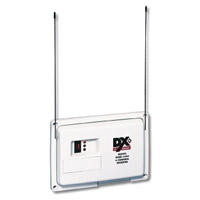
Linear Supervised 4-Channel Solid State Relay Receiver DXSR-1504
$84.00
Linear Supervised 4-Channel Solid State Relay Receiver DXSR-1504
Out of stock
Description
The Model DXSR-1504 Supervised 4-Channel Receiver is a four channel supervised digital receiver with solid state outputs designed for use with Linear’s DX and DXS Format transmitters. This receiver can be used in a variety of security and remote control applications. When the receiver detects a signal from a transmitter programmed into its memory, the appropriate channel output activates. The channel outputs have three optional configurations; momentary, toggle on/off, and latch until restored. Status and low battery outputs are for supervisory indications. Cutting jumpers select which channels require supervisory status reports from transmitters.
The Model DXSR-1504 incorporates a dual high-sensitivity superheterodyne diversity receiver with two whip antennas. This type of receiver provides superior performance by preventing loss of signal due to multi-path interference.
In a typical installation, the receiver is connected to an alarm control panel, door strike, camera, high current relay or some other devices. Transmitters are used to activate or control the devices. The receiver should be mounted indoors or inside a weather resistant non-metallic housing for outdoor use.
Features
- Dual diversity superheterodyne receivers
- Compatible with DX and DXS transmitters
- Measured line-of-sight range of 1,500 Feet
- Quick-learn programming
- Selectable supervision
- Individual outputs per RF channel or alarm, low battery, and status trouble reports
- 7-Segment channel display (Decimal Point Indicates RF Activity)
- LED Indication for alarm, low battery, and status
- Solid state outputs
- 100 mA maximum output rating
- Selectable outputs per channel: momentary, latch, toggle
- Operating voltage: 10.2 to 14.4 VDC or 12 to 16 VAC
- Current consumption: 30 mA standby, 120 mA operating @ 12 VDC
- 7.25″ W x 5.0″ H x 1.0″ D (without antennas)

Reviews
There are no reviews yet.